


ZTA
Zero Trust Authority
Protect every call among the core, agents and external integrations through node identity, credentials, authorization, rotation and audit.
The problem
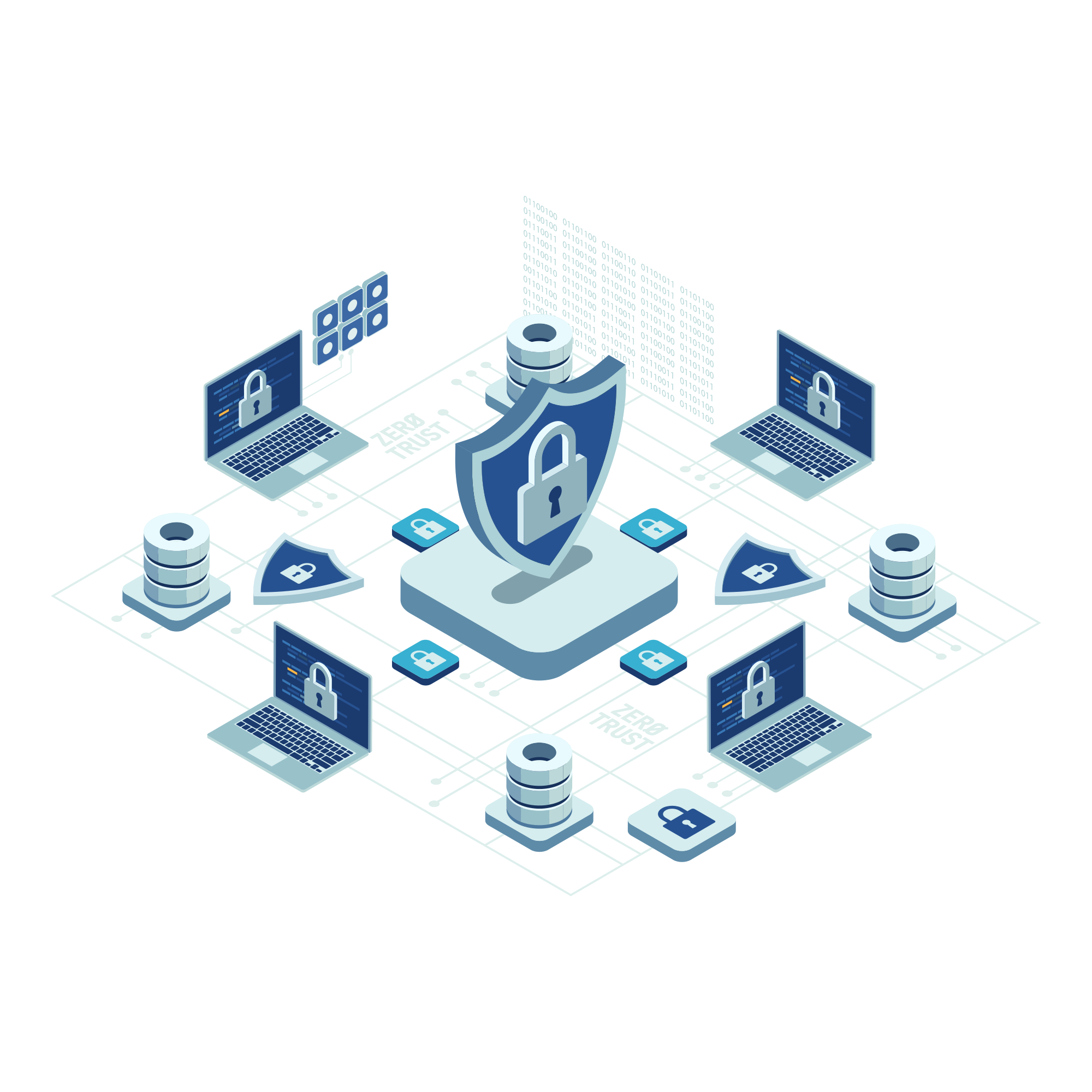
An industrial network can no longer treat internal location as trust. Long-lived passwords, shared accounts and untraceable service calls create paths for lateral movement.
The outcome
Give people, services and devices explicit identities so each connection can be authenticated, authorized, recorded and revoked.
Operational context
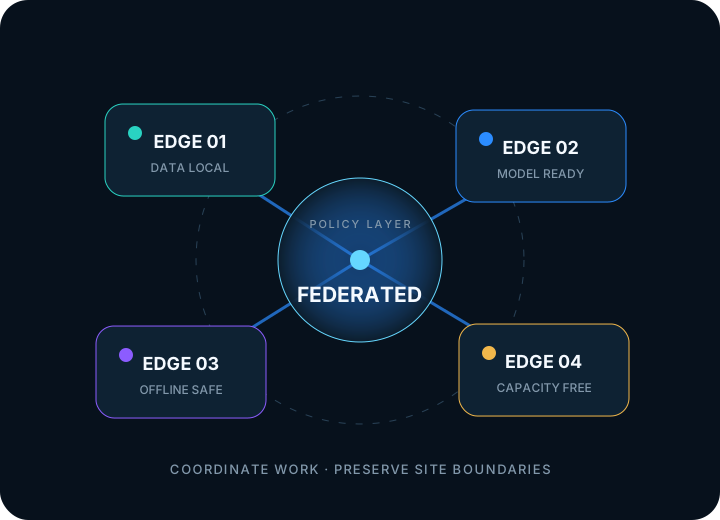
Collaborate across sites without exchanging unlimited trust.
ZTA protects each exchange through node identity, short-lived credentials, least privilege and audit so compromised nodes can be identified, constrained and revoked.
- 01Node registration and identityIssue an identifiable node identity after first registration instead of treating network location as sufficient trust.
- 02Mutual transport securityConfirm both parties with mTLS and certificate chains, including renewal and revocation planning.
- 03Least privilegeAuthorize by role, service, action and resource scope so one token cannot cross every capability.
Core capabilities
From product module to reusable operational capability.
The codebase contains foundations for agent tokens and identity integration. Complete mTLS, rotation, policy and audit maturity must be verified against the deployed release.
Node registration and identity
Issue an identifiable node identity after first registration instead of treating network location as sufficient trust.
Mutual transport security
Confirm both parties with mTLS and certificate chains, including renewal and revocation planning.
Least privilege
Authorize by role, service, action and resource scope so one token cannot cross every capability.
Audit and revocation
Record registrations, permissions, keys, actions and denials so abnormal nodes can be isolated quickly.
Data and responsibility flow
Every step stays visible, verifiable and governable.
- 01Establish a person, service or node identity
- 02Authenticate the caller with a certificate or token
- 03Evaluate resource and action policy
- 04Allow or deny and write the audit record
Use cases
Start with one high-value loop.
- Agent access across sites
- Least privilege for maintenance personnel
- Third-party system API integration
- Responsibility tracing for high-risk writes
Responsibility boundary
Zero trust is not completed by one product. Network segmentation, endpoint hardening, key custody, backup, monitoring and incident response must work together.
Current technical baseline: The codebase contains foundations for agent tokens and identity integration. Complete mTLS, rotation, policy and audit maturity must be verified against the deployed release.