Acquire field data that can support decisions
Connect PLCs, CNCs, controllers, meters and sensors and turn speed, load, temperature, pressure, output, downtime and energy into decision information with equipment, work-order and time context.


Connect legacy equipment and operational expertise to a governed data foundation.
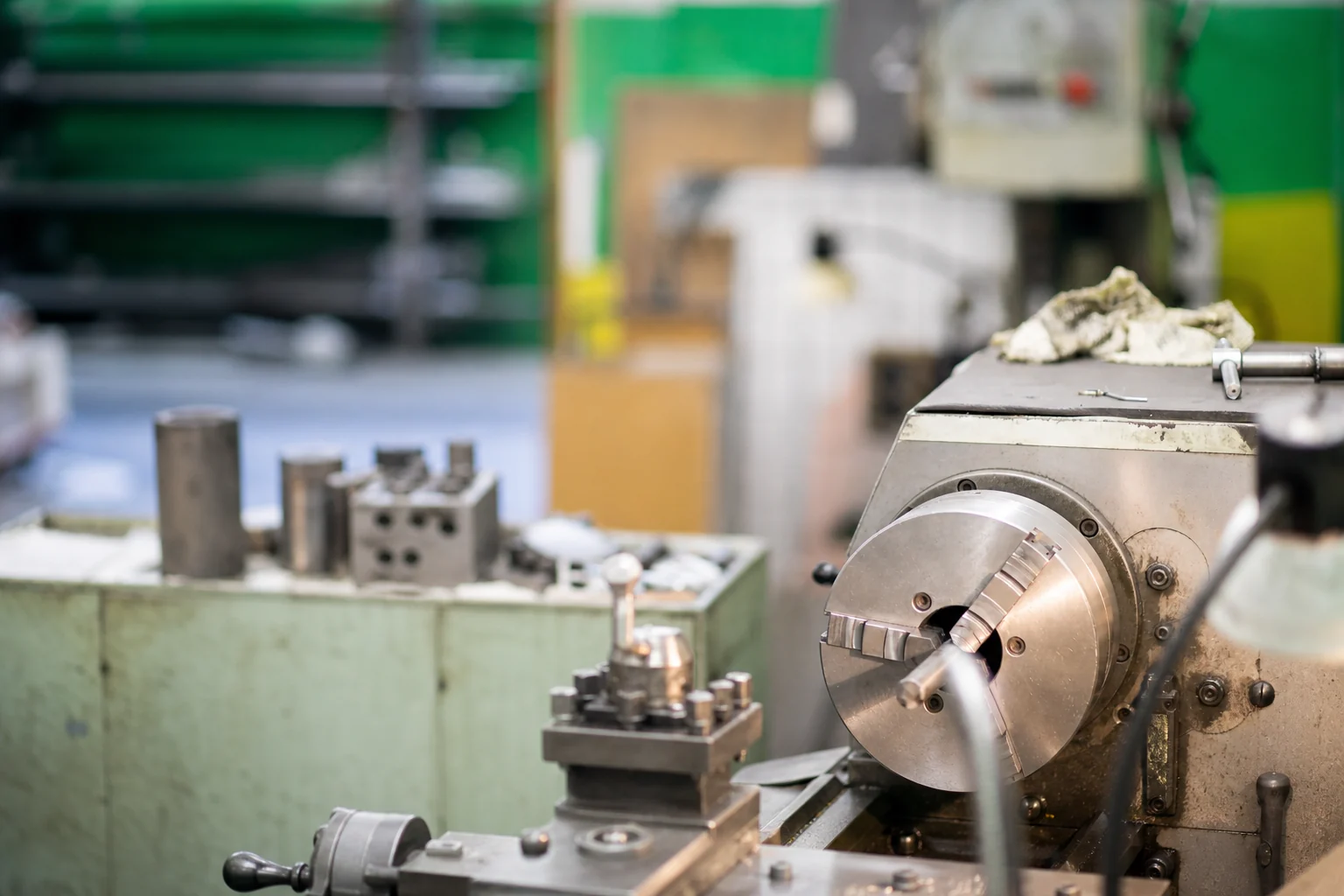
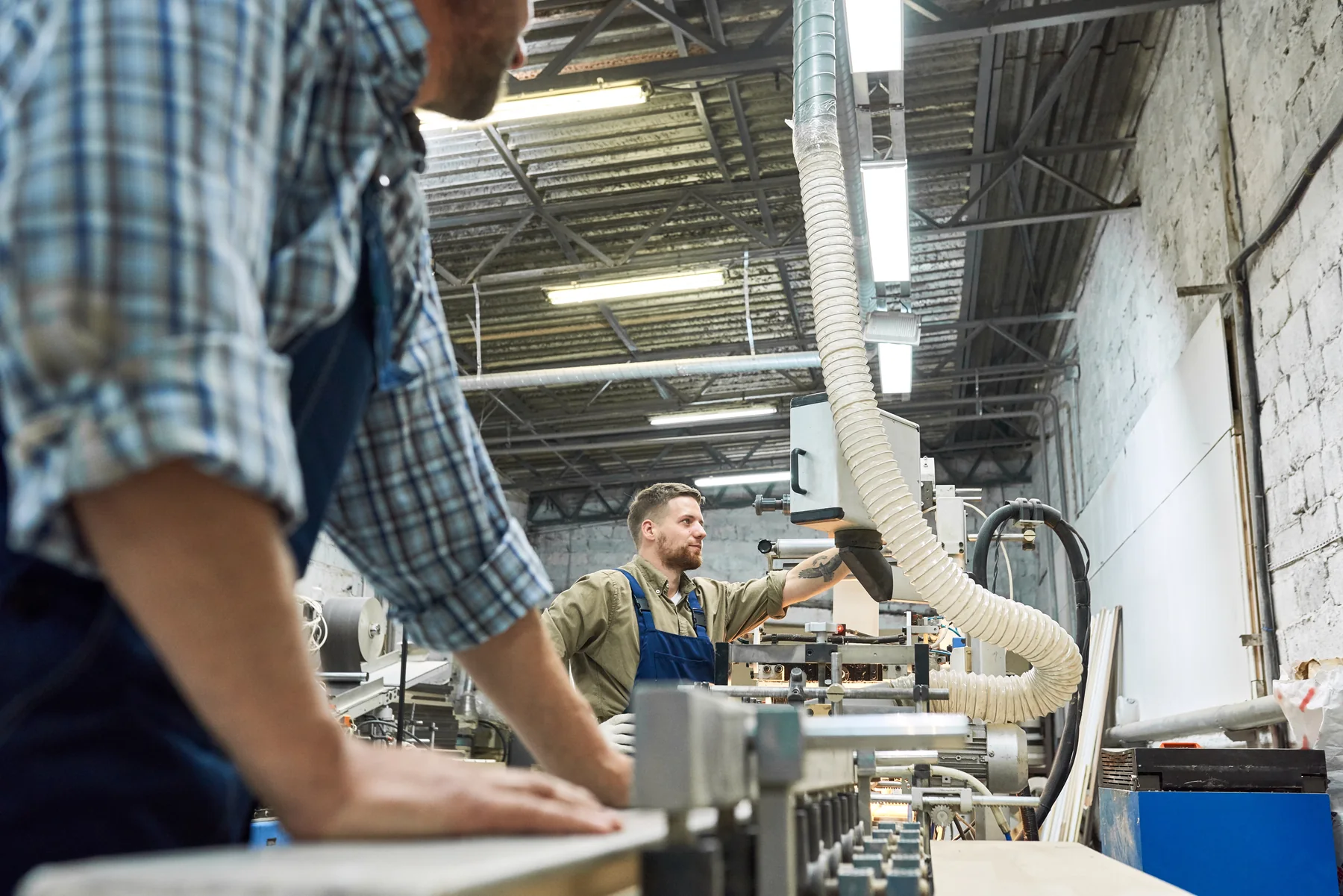
Traditional factories rarely need another report. They need evidence that supports the right judgment at the right time. X·Neurons collects signals from existing lathes, mills, presses, molding, welding and assembly equipment and combines them with work orders, quality and maintenance records. It also preserves what experienced operators observed, how they judged the situation, what they changed and what happened next—turning personal expertise into a capability that new employees can learn, shifts can reuse and managers can verify.
Real digitalization leaves context that the next decision can use.
Connect PLCs, CNCs, controllers, meters and sensors and turn speed, load, temperature, pressure, output, downtime and energy into decision information with equipment, work-order and time context.
Keep anomaly signals, sound and vibration, machining performance, parameter changes, actions and outcomes together—not only the answer, but how the answer was formed.
Cross-check expert judgment with equipment evidence to build alert rules, inspection items, operating standards and training cases that improve with later outcomes.
Baselines and targets are defined together during discovery.
Define decisions, users, sources and baselines.
Build the first loop in a bounded environment.
Establish semantic, access and quality governance.
Scale proven patterns across sites.
We begin with constraints, existing systems and accountability boundaries.
Book a discovery session